
In this exercise I was asked to explore the paper choices when it comes to books and also look at the binding techniques used in these publications. As another part of this exercise I was asked to gather some paper samples to see what is out there and think about their differences in practical use.
I started this exercise by shopping around on some websites to gather as many paper samples as possible. I ordered a few and will be going through these as they come in.
I have also read the chapter on printing in the suggested learning material.
Paper sample packs
Printed.com
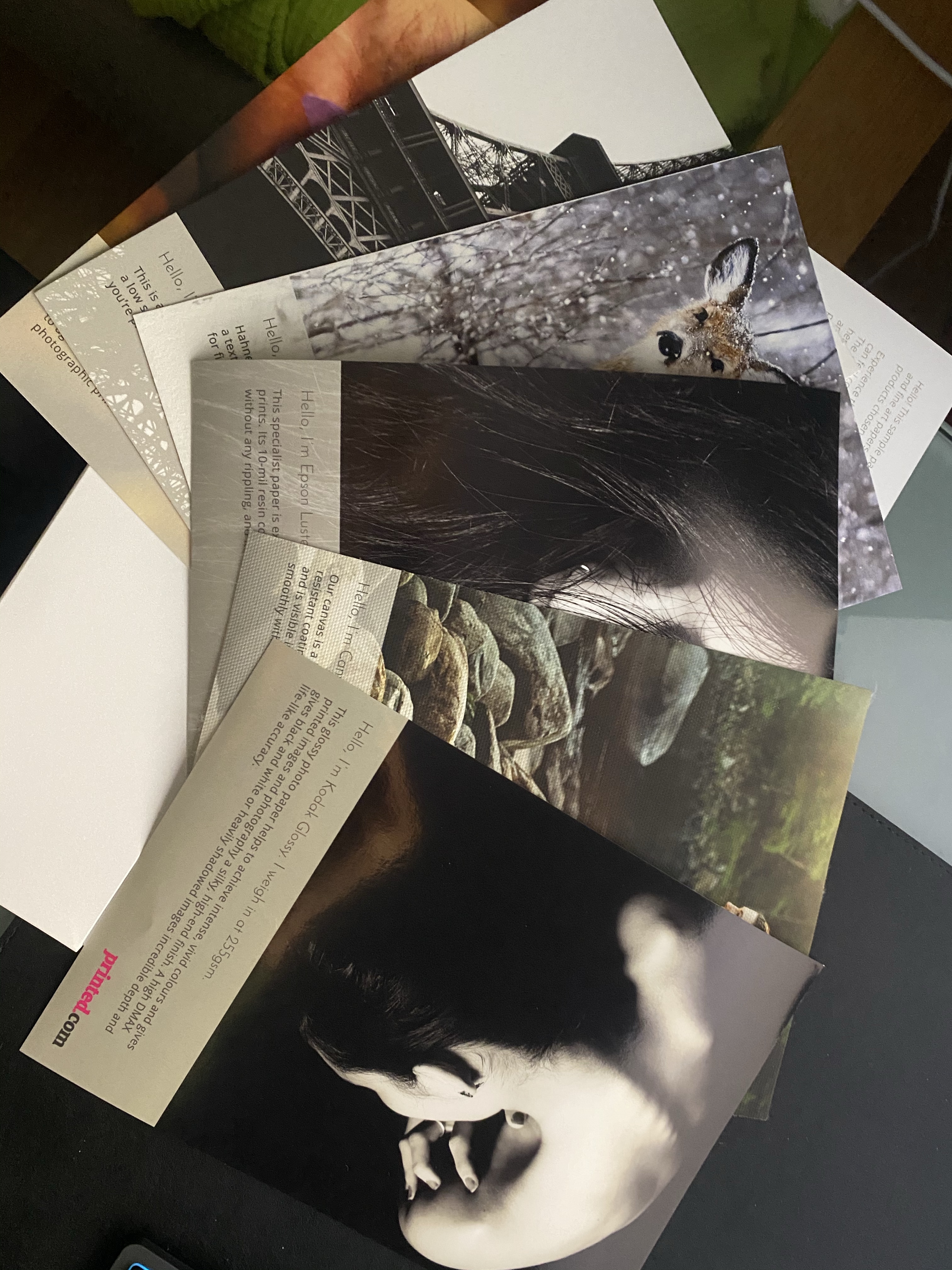
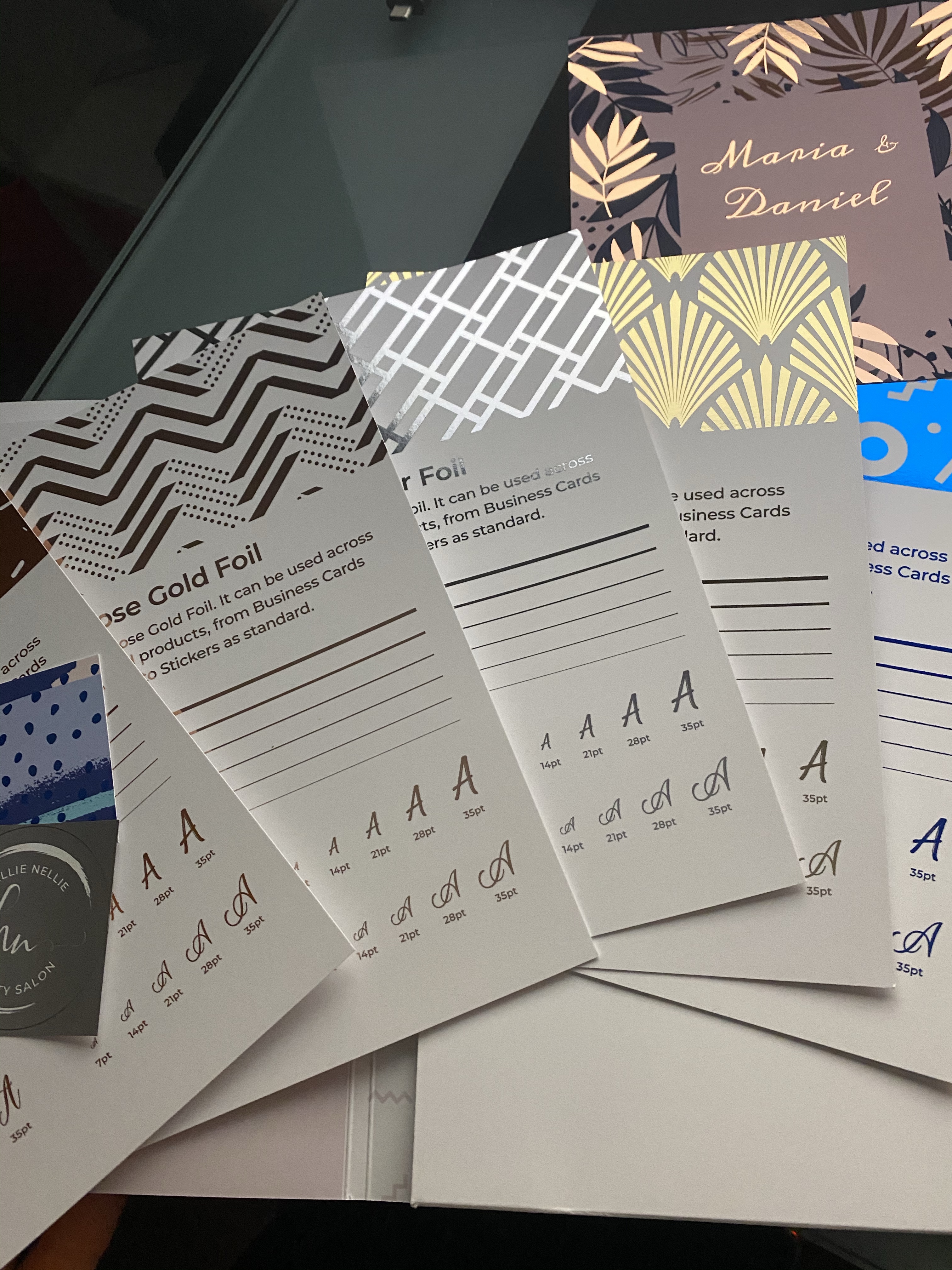
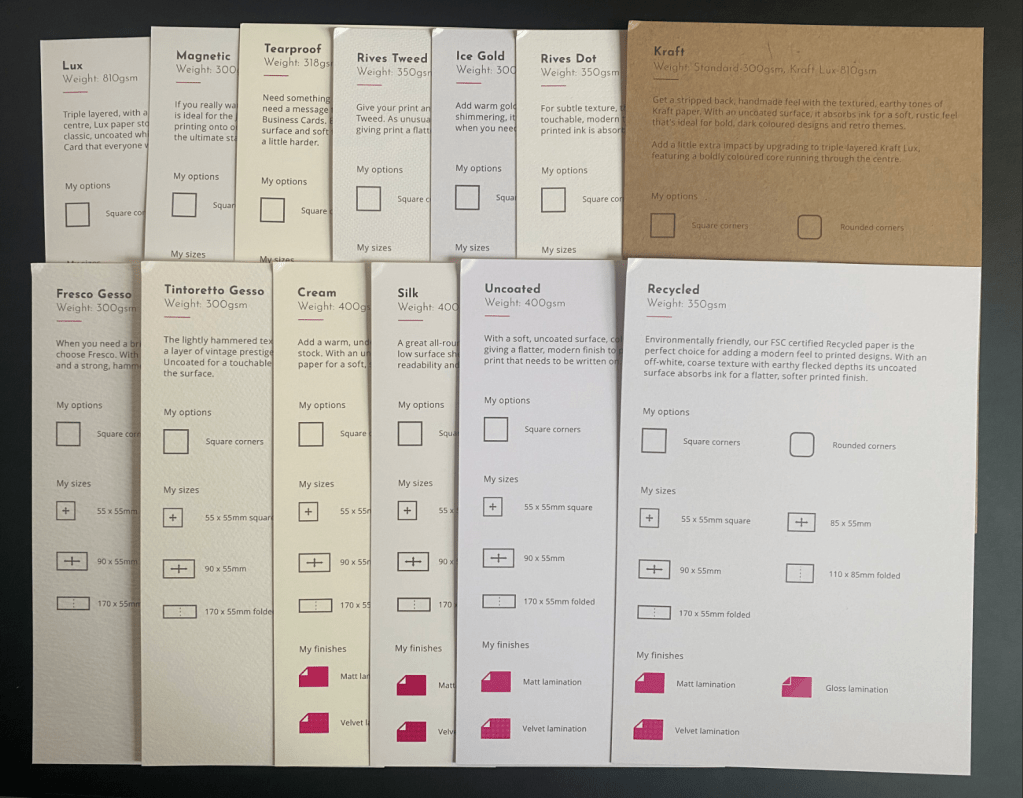
This company have their samples split into several categories based on practical application. From wedding products to photography etc. I think these packs will be useful when it comes to learning about printing techniques. There were some interesting papers in here, but nothing too wild, as I guess a print on demand company like this is only stocking paper that majority of customers would want. In these packs I liked the more textured papers as I found them more tactile and interesting to handle. Their Wedding collection had a few interesting paper choices, with lots of texture and even a magnetic paper!! I never knew these things even existed.
Here are a few pictures of their sample packs:
G.F Smith
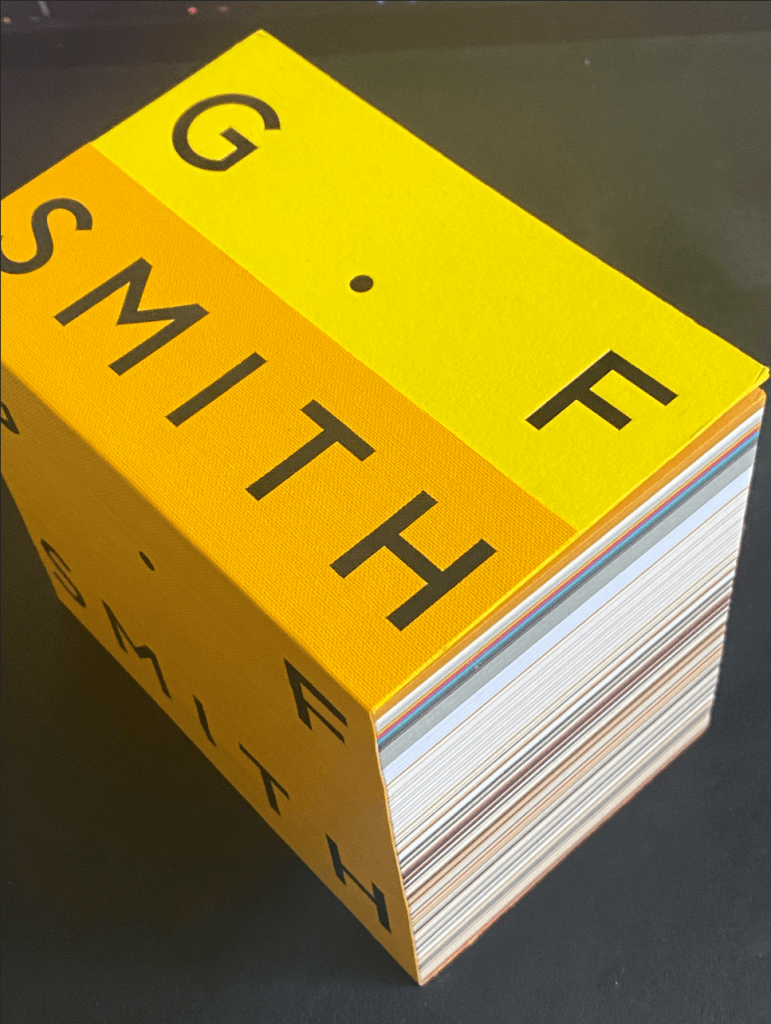
WOW! This book is really amazing! I never thought paper could be so fascinating. The book will be super useful when trying to select papers for projects. It splits into chapters by collections; Colorplan, Fine Collection, Textured and Specialist. There are also content pages by application and also by material. This is going to be an invaluable source of inspiration when looking at the physical forms of my designs.
Frogmore Papermill
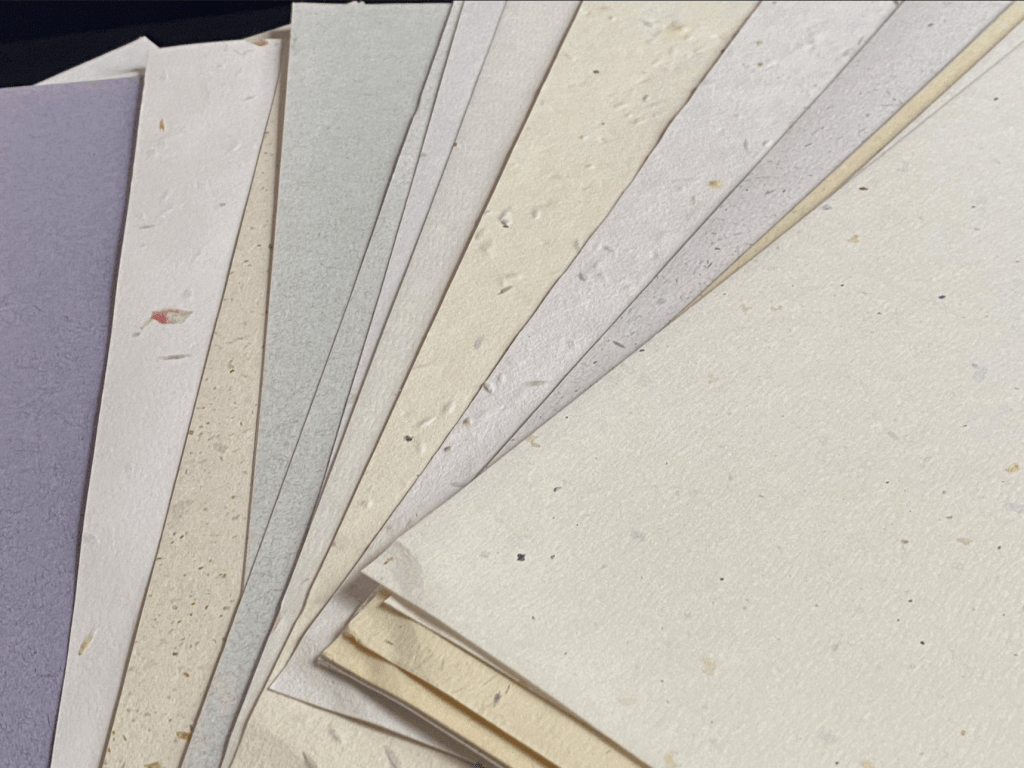
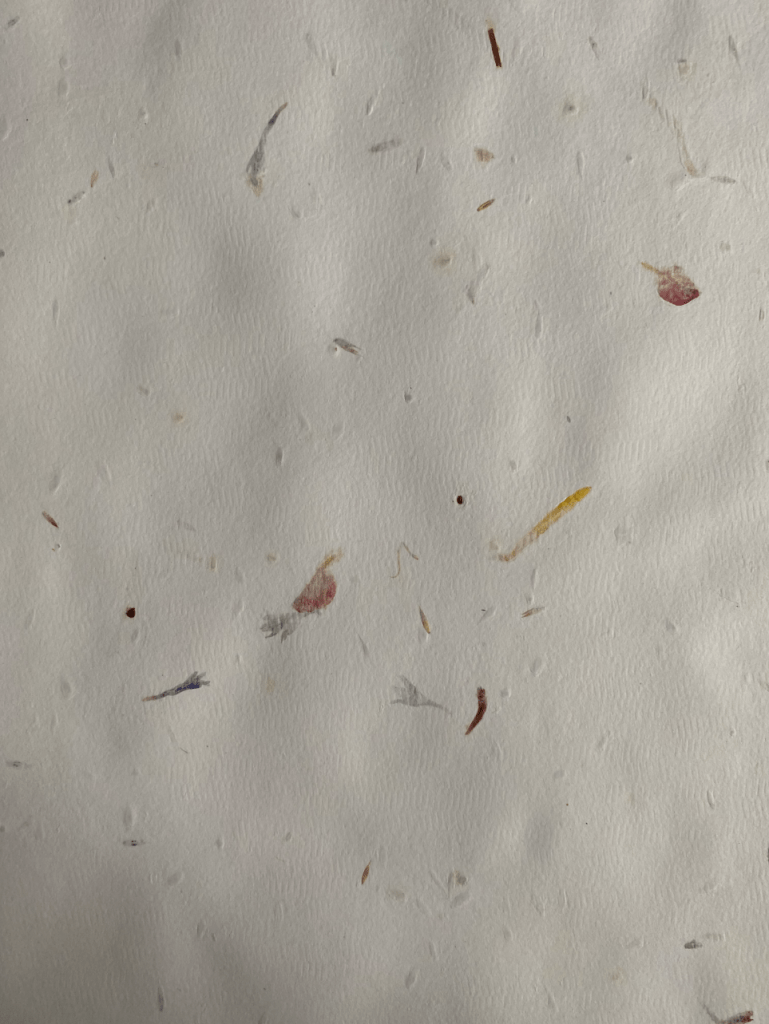
I have ordered a sample pack from Frogmore Papermill which is the world’s oldest mechanised paper mill. It is funded by a not-for-profit organisation called Apsley Paper Trail. They are using all the proceeds to keep the paper mill running for conservational and educational purposes.
Their papers are very interesting. They are somewhat rough and random, which would land a very individual outcome to any project as every piece is very different. Some of their papers have dried flowers some have flakes of sliver or gold. I can imagine their papers would be very interesting to use as cover paper for example, I think it would give a nice finish.
Paper making process
I got sort of fascinated about the paper making process and to see how it is made. I found a very interesting video about Hayle Mill which was the centre of European papermaking until the late 18th century when the paper making machine was invented.
(26) Papermaking by hand at Hayle Mill, England in 1976 – YouTube
I found this super interesting and almost made me want to try it myself. (almost)
Books
Do all books keep the same paper choices throughout?
I think this is usually the case, however I have seen some books that use different paper for pages with images and the pages with text. I assume this is mostly in an attempt to keep cost down by using papers that are more suitable for photographs only on pages where it is necessary, but it could also play a more functional role whereby making these pages thicker or different in quality they could separate chapters for example.
What’s the relationship between the covers and the paper inside?
The paper for the cover is usually about double or triple thickness for softcover books. This is because the book cover has to protect the pages but still be flexible enough to make the book easier to handle than hard cover books. Hard cover books often have heavier pages that are often glossy to make it easier to flip through them.
Which books do you like the feel of, and why?
I keep mentioning Graphic Design for Art Fashion Film Architecture Photography Product Design & Everything In Between, I like the silk touch cover with the UV spot title page. It feels nice. The book is heavy, so obviously the portability wasn’t a major concern when deciding on a soft cover, however I think it was more in an attempt to make the book feel more modern.
I like covers that have a little more texture to them, and have something that you can feel as well as look at.
How does the book block adhere to the cover?
In the case of ‘Graphic Design for Art Fashion Film Architecture Photography Product Design & Everything In Between’ the pages seem to be stitched in sections then glued together to form the book block and then the cover is glued to the block. This would be quite complicated to work out in terms of the printing! The cover is one sheet of card that can be folded out even further so the cover is made somewhat harder by this.

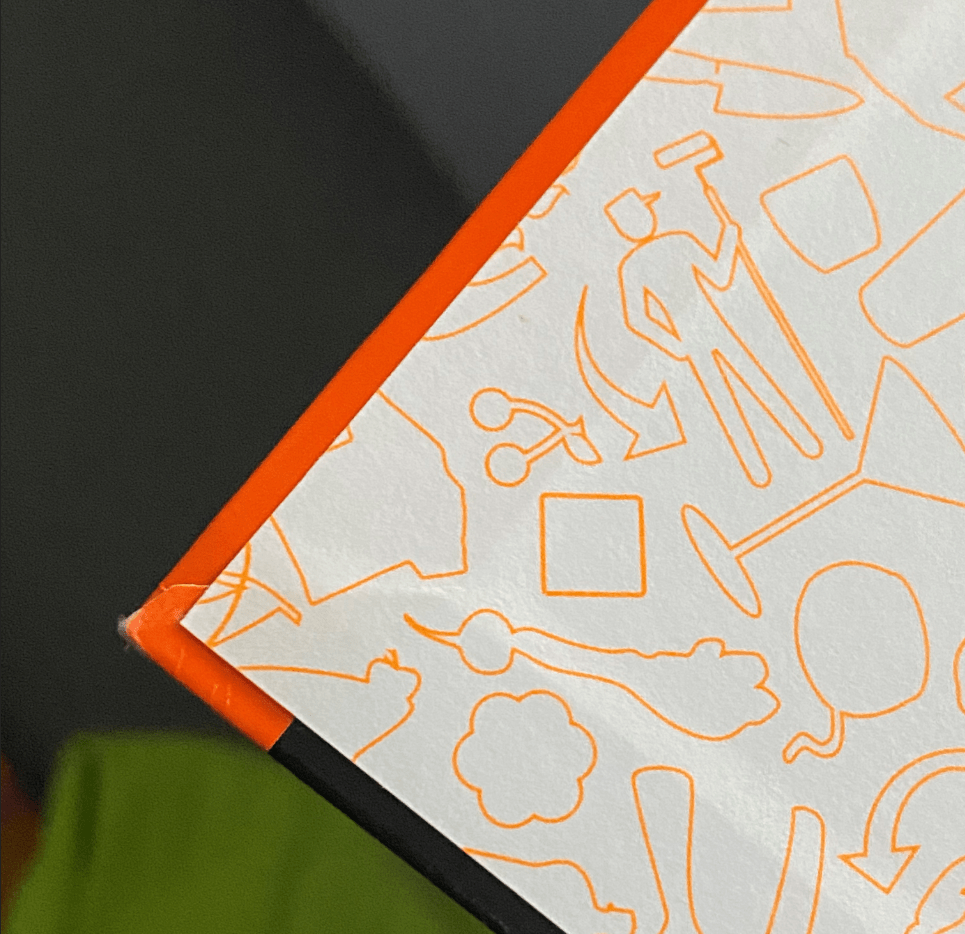
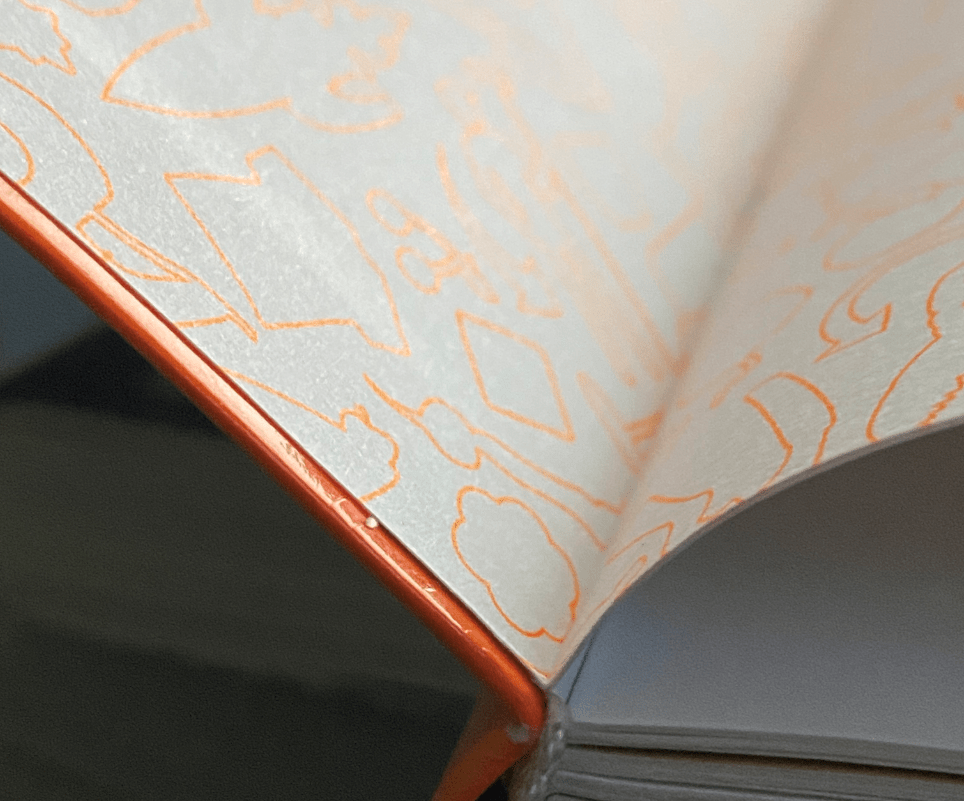
In the case of “Show Me How” which is still a softcover book, there is a pastedown and this adheres to the cover and the spine is floating away from the spine of the book block.
How does it adhere to the spine?
As mentioned above ‘Graphic Design for Art Fashion Film Architecture Photography Product Design & Everything In Between’ was stitched in smaller sections and the spine is just thick glue that directly adheres to the cover itself.
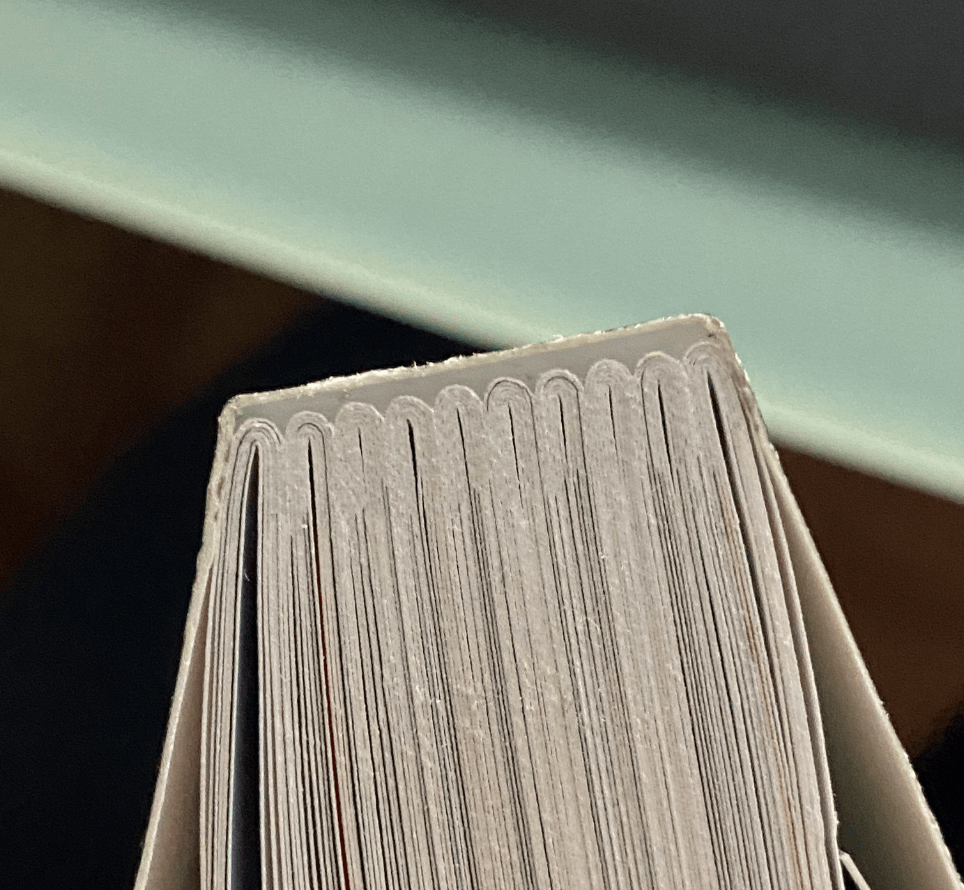
‘Show Me How’ has a slightly different approach to this. They still have the smaller sections individually stitched and glued but it has an additional cloth layer at the spine to probably protect the glue layer that is much thinner than on the previous book I looked at. I think the pastedown is probably adheres to the fly leaf of the book and this is glued to the paste down. Quite complicated!
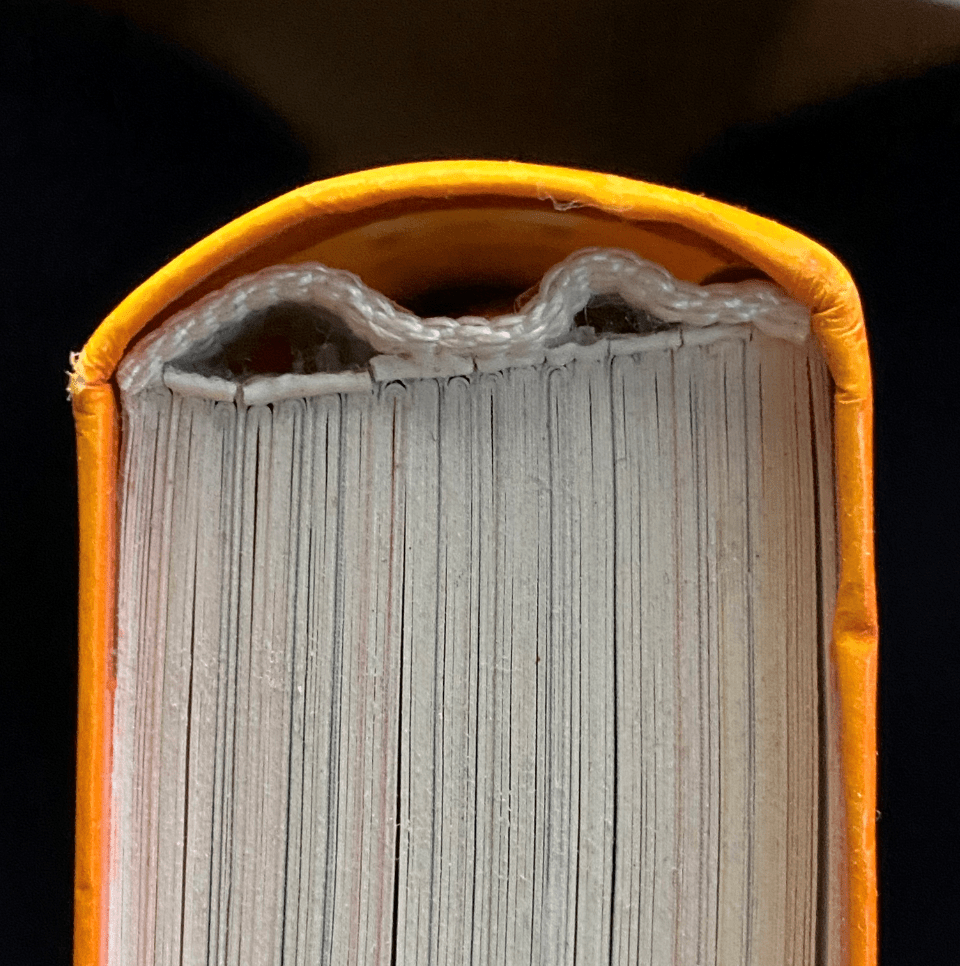
I also wanted to look at a proper hard cover book to see how this contrasts with the above.
‘Information is Beautiful’ has an approach that is just slightly different from the one mentioned above. There seems to be no discernible glue layer at the spine. I think instead the book block is held together by the cloth layer at the spine.
At this point I got quite fascinated about what the cloth layer is and what purpose it serves so I looked it up and I think after a bit of digging on the web I manged to figure it out. It is the spine tape or spine cloth that is used in bookbinding.
I found this video very useful in explaining how Stiffened Paper Binding works. I think this is the technique that was used in some of the above books, with the difference that the cover includes a spine that wraps all around the book. I found the video very interesting and makes me want to try my hands on some book binding myself.
Is it stitched or glued?
All of the examples above were stitched first and then either glued. I had to hunt around a little bit and find a small format paperbacks in advance to find something that is only glued.
Glued books are much simpler the book block is simply glued together and the cover, which is one sheet of paper is glued directly to them. As seen on ‘Running with scissors’ below.

Reflection
Initially when I looked at this exercise I thought it is going to be boring, but I actually found it really enjoyable. I feel like it has opened my eyes to the world of paper a little more and made me realise that I should be looking further than just the design that goes on the paper as the medium that delivers the design is almost as important in printed graphic design.
I also really enjoyed trying to understand a little more about book binding, and I hope I can try my hands on this soon, (hopefully there is an exercise for this?) in any case, I think the more practical parts of this course will have loads to offer to me even if I am not into books per se.
 Graphic Design